New Digital Lodgement Rules Introduced for Parent Visas from 22 April 2026
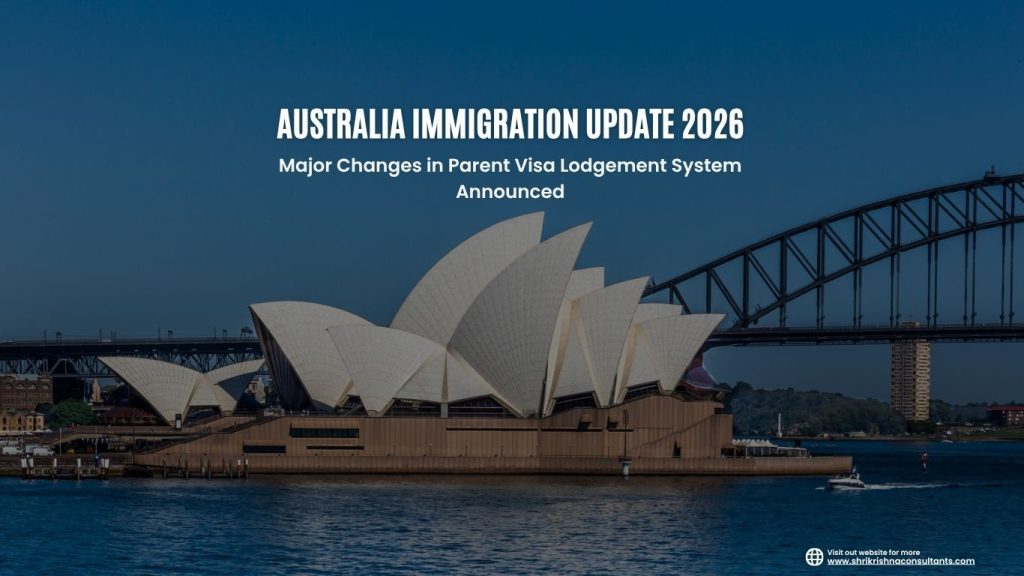
Australia has introduced a significant administrative update under the Migration (Arrangements for Parent Visa Applications) Instrument 2026, changing how Parent visa applications are submitted and processed by the Department of Home Affairs.
From 22 April 2026, selected Parent visa subclasses now include expanded access to online lodgement options. This marks an important step in Australia’s ongoing shift toward a more digital immigration system designed to improve efficiency, reduce manual paperwork, and streamline application handling.
While this change does not alter visa eligibility requirements, financial thresholds, or approval conditions, it significantly improves the way applications are lodged, particularly for family migration pathways that have traditionally relied on paper-based submission systems.
Parent visas remain one of the most important family reunion migration pathways in Australia, and even administrative improvements such as lodgement changes can have a meaningful impact on processing experience, timelines, and application management.
Overview of the Migration (Arrangements for Parent Visa Applications) Instrument 2026
The newly introduced instrument forms part of Australia’s broader migration policy framework aimed at modernizing administrative procedures across visa categories.
The primary objective of this instrument is not to change who can apply for a visa or how decisions are made, but to improve how applications are submitted, received, and processed.
In practical terms, this update focuses on improving the application lodgement system by enabling more digital submissions for selected visa subclasses while maintaining paper-based processes for others.
This hybrid approach reflects Australia’s gradual transition toward a fully digital immigration system, where both online and paper submission methods coexist during the transition phase.
The Parent visa category has historically been one of the more document-intensive and manually processed visa streams, which makes this modernization particularly significant.
Expansion of Online Lodgement for Parent Visa Subclasses
One of the most important developments under this update is the expansion of online visa application submission options for several Parent visa subclasses.
From 22 April 2026 onwards, applicants are now able to submit applications online for the following visa categories:
Parent (Migrant) – Class AX
Aged Parent (Residence) – Class BP
Contributory Parent (Migrant) – Class CA
Contributory Aged Parent (Residence) – Class DG
This expansion allows applicants and migration professionals to move away from traditional reliance on postal and courier-based submission systems for these categories.
The introduction of digital lodgement options improves accessibility for applicants both inside and outside Australia and reduces the administrative burden associated with handling physical documentation.
It also aligns with the Department of Home Affairs’ broader strategy of improving operational efficiency and reducing processing delays caused by manual document handling.
Which Parent Visa Subclasses Remain Paper-Based
Despite the expansion of online lodgement, not all Parent visa subclasses have transitioned to digital submission.
The following visa categories continue to require paper-based lodgement:
Contributory Parent (Temporary) – Class UT
Contributory Aged Parent (Temporary) – Class UU
Applicants under these categories must continue to submit their applications through traditional paper-based methods as per existing immigration procedures.
This indicates that Australia’s immigration system is still operating under a hybrid framework, where digital and paper systems coexist depending on visa subclass and processing requirements.
There is no confirmed timeline for full digital transition across all Parent visa categories, meaning applicants must carefully check lodgement requirements before submitting applications.
Transitional Provisions and Application Timing Rules
A key aspect of this update involves transitional arrangements that apply to applications submitted around the commencement date.
Under the instrument, if a Parent visa application was:
Posted or couriered before 22 April 2026 but
Received by the Department of Home Affairs after this date
then the application will still be processed under the previous legal framework.
This provision highlights the importance of lodgement timing, as the method and date of submission can determine which procedural rules apply.
For applicants and migration agents, this means that accurate tracking of submission dates and delivery confirmation becomes critical during this transition period.
Even small delays in postal delivery can potentially result in an application being assessed under a different procedural framework, making careful planning essential.
Why This Update Matters for Parent Visa Applicants
Although the update does not change eligibility or visa decision outcomes, it introduces several practical improvements that directly affect applicants.
Parent visas are already known for:
- High demand and limited places
- Long processing timelines
- Complex documentation requirements
- Strict eligibility conditions
In this context, even administrative improvements can have a meaningful impact on applicant experience.
The most important benefits of this update include improved accessibility, reduced paperwork dependency, and better system efficiency.
For many families planning long-term migration to Australia, Parent visas represent a critical pathway for reunification, and any improvement in the application process is significant.
Improved Accessibility Through Online Submission
The expansion of online lodgement allows eligible applicants to submit applications digitally rather than relying solely on postal systems.
This improves accessibility in several ways:
Applicants can submit applications from anywhere with internet access
There is reduced dependence on international courier services
Submission errors caused by physical document handling are reduced
Application preparation becomes more streamlined
For applicants located overseas, this improvement reduces logistical barriers that previously made Parent visa submission more complex and time-consuming.
Reduced Processing Delays and Administrative Burden
One of the key advantages of online lodgement is the reduction of manual processing at the intake stage.
Paper-based applications require physical sorting, scanning, and data entry, which can introduce delays in the early stages of processing.
Digital lodgement allows applications to be received in structured electronic formats, reducing administrative workload and improving processing efficiency.
While this does not guarantee faster visa decisions, it improves the initial handling stage, which can indirectly contribute to better workflow management within the Department of Home Affairs.
Improved Document Management and Accuracy
Online submission systems also reduce the risk of document loss or incomplete application packages.
Paper-based submissions are more vulnerable to:
- Missing pages
- Courier delays
- Filing errors
- Physical damage
Digital systems provide structured upload requirements, ensuring that applications are more complete at the time of submission.
This reduces the likelihood of applications being delayed due to missing documentation or administrative follow-ups.
Better Tracking and Transparency for Applicants
Another advantage of digital lodgement is improved tracking capability.
Applicants and migration agents can monitor application status more effectively through online systems, which increases transparency in the migration process.
This is particularly important for Parent visa applicants, who often face long waiting periods and require regular updates on application progress.
Improved visibility helps reduce uncertainty and allows better planning for families awaiting visa outcomes.
Migration System Moving Toward Digital Transformation
This update is part of a broader modernization strategy within Australia’s immigration system.
Over recent years, the Department of Home Affairs has introduced several digital reforms, including:
- Online visa application systems
- Electronic document upload platforms
- Digital identity verification processes
- Automated processing tools
- Secure applicant communication systems
The Parent visa category has traditionally lagged behind other visa streams in terms of digital adoption due to its complexity and high documentation requirements.
However, this latest instrument indicates a clear direction toward gradually integrating family migration visas into a more digital framework.
Despite this progress, the system remains partially paper-based, meaning full digitization is still a work in progress.
Role of Migration Professionals in the Updated System
Migration agents and consultants play an important role in guiding applicants through changing visa lodgement requirements.
Professionals in the migration industry must now ensure:
- Correct identification of eligible online visa subclasses
- Compliance with transitional lodgement rules
- Accurate documentation submission
- Reduced errors in application preparation
Migration Consultant professionals help applicants avoid common mistakes that could result in delays or incorrect lodgement methods.
As Australia’s immigration system becomes more digitized, professional guidance becomes increasingly important for navigating procedural complexity.
Long-Term Implications for Parent Visa Processing
While this update is administrative in nature, it reflects broader long-term changes in Australia’s immigration system.
Potential future implications include:
- Increased automation in application intake
- Reduced reliance on manual document handling
- Faster administrative processing stages
- Improved system integration across visa categories
- Gradual expansion of digital lodgement across all family visas
However, Parent visa processing will continue to be influenced by:
- Annual migration caps
- Policy priorities
- Demand vs allocation balance
- Departmental processing capacity
Therefore, applicants should not expect immediate reductions in overall visa processing times solely due to this change.
Importance of Parent Visas in Australia’s Migration System
Parent visas remain one of the most significant family migration pathways in Australia.
They support:
- Family reunification
- Long-term settlement stability
- Social integration of migrant families
- Emotional support for settled migrants
Due to high demand and limited annual visa allocations, Parent visas often involve extended waiting periods.
This makes any improvement in application processing systems particularly relevant for applicants and migration professionals.
Key Highlights of the 2026 Parent Visa Update
- Online lodgement expanded for selected Parent visa subclasses
- Some visa categories remain paper-based only
- Transitional provisions apply for applications lodged around 22 April 2026
- No changes to eligibility or visa decision criteria
- Australia continues transition toward digital immigration systems
- Lodgement timing is critical for application processing classification
Final Conclusion
The Migration (Arrangements for Parent Visa Applications) Instrument 2026 represents a meaningful administrative update within Australia’s immigration system.
While it does not alter visa eligibility or approval rules, it significantly improves the way Parent visa applications are submitted and managed.
The introduction of expanded online lodgement options reflects Australia’s ongoing transition toward a more efficient, digital, and structured immigration system.
For applicants, the key takeaway is the importance of understanding correct lodgement procedures, especially during this hybrid phase where both paper and online systems are still in use.
As Australia continues to modernize its immigration framework, further digital expansion across visa categories is expected, potentially improving efficiency across family migration pathways in the coming years.
Applicants are strongly advised to stay updated with official announcements from the Department of Home Affairs and ensure compliance with correct lodgement procedures to avoid unnecessary delays or administrative issues.
Source: Migration-Arrangements-for-Parent-Visa-Application-Instrument-2026.pdf
Migration-Arrangements-for-Parent-Visa-Applications-Instrument-2026 EXPLANATORY MEMORANDUM.pdf